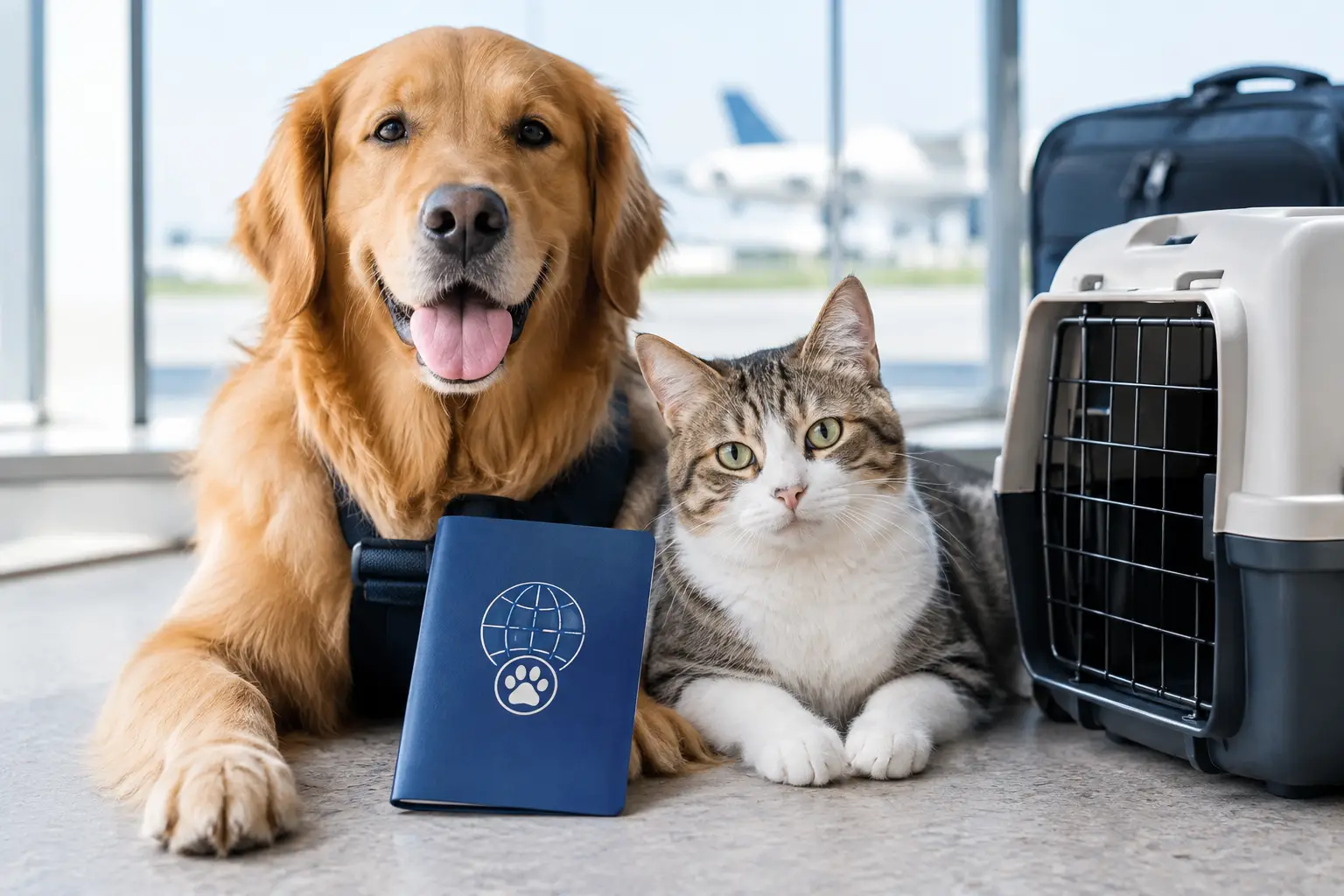
The moment an international trip becomes real, pet travel can start to feel like a paperwork puzzle. A guide to pet passports gives you a clearer place to begin: understand what your pet needs, allow enough time, and build a plan around their comfort as well as the destination’s rules.
For US pet owners, the phrase “pet passport” can be slightly misleading. There is no single, universal passport that lets every dog or cat enter every country. Instead, your pet’s travel documents are a collection of records, certificates, and approvals that change based on where you are going, how you are traveling, and sometimes where you have been recently.
What a pet passport really means
In many parts of Europe, a pet passport is an official document that records a pet’s identification and rabies vaccination. In the United States, people often use the term more broadly to describe their pet’s full travel file. That file may include vaccination records, a microchip number, a health certificate, parasite treatment documentation, airline forms, and government endorsements.
Think of it as your pet’s travel story in one organized place. It shows who they are, whether their required vaccines are current, and whether they meet the entry conditions of the destination.
The exact documents depend on the trip. A road trip from Texas to Colorado generally does not require a pet passport, although lodging, parks, and local rules can still affect your plans. Flying from the US to another country is different. The destination may require a specific microchip, a rabies vaccine given in a particular order, a veterinary certificate issued within a narrow window, or an official endorsement before departure.
Guide to pet passports: start with the destination
Start planning from the destination’s entry rules, not from a generic checklist. Requirements can vary dramatically, even between neighboring countries. Some destinations have relatively straightforward rules for pets arriving from the US. Others require months of advance preparation, a rabies antibody blood test, import permits, or quarantine arrangements.
Your first question should be: where is my pet entering? If your itinerary includes a layover, a cruise stop, or a move through several countries, check the rules for each place where your pet may formally enter. Transit rules can matter too, particularly if you need to leave the airport or change airlines.
Next, consider your pet’s history. Entry requirements may depend on your pet’s species, age, vaccination status, microchip information, and the countries they have visited recently. Puppies and kittens can be especially affected because many destinations set minimum ages for rabies vaccination and travel.
The airline is a separate part of the process. An airline may have carrier dimensions, breed restrictions, temperature limits, booking deadlines, and health-document requirements that go beyond what the destination requests. Meeting a country’s import rules does not automatically mean your pet is cleared to fly with your preferred airline.
Build the documents in the right order
Order matters. For many international trips, a microchip must be implanted before a qualifying rabies vaccine is administered. If the vaccine was given first, a destination may require revaccination after the chip is in place. That small detail can reset a timeline and create a stressful delay.
A veterinarian is a key partner here. Schedule an appointment early and explain the destination, travel date, airline, and your pet’s full medical history. Ask whether your pet’s existing records meet the destination’s format and timing rules. A vaccine may be medically current but still fail to satisfy a country’s required waiting period or documentation standard.
Your travel file will often include:
- A readable microchip record that matches every other document
- Current rabies vaccination documentation, and any additional vaccines required for the destination
- An international health certificate completed by an accredited veterinarian when required
- Government endorsement or import permits, if the destination calls for them
- Airline confirmations and any required pet travel forms
Keep original documents protected in a travel folder, and carry clear copies separately. Save digital copies too, but do not assume a photo on your phone replaces an original signed certificate. Border officials and airlines may need to inspect the physical paperwork.
Give your timeline more room than you think
The safest approach is to begin several months before an international trip. This is not because every trip takes that long. It is because the trips that do require extra time can involve waiting periods that cannot be rushed.
A simple trip may only require a recent health certificate, but “recent” can mean a very specific number of days before arrival or departure. Other destinations require a rabies titer test, followed by a waiting period that can stretch for months. Appointment availability, lab processing, government endorsements, and flight changes can all add pressure near departure.
Avoid booking nonrefundable travel around an assumed approval date. Instead, identify the latest safe date for each step, then aim to complete it earlier. If your pet needs a booster, a document correction, or a replacement certificate, that cushion matters.
This is also the time to check re-entry requirements for coming back to the United States. Your pet may meet the destination’s rules and still need particular documents to return. International travel is a round trip for paperwork, even when the adventure is one-way.
Prepare your pet, not just the paperwork
A complete travel folder is only one part of responsible pet travel. Your pet’s wellbeing should guide the decision to go, the travel method you choose, and the pace of the itinerary.
For some pets, cabin travel in an airline-approved carrier is the most comfortable option. For others, a long flight, a busy airport, or unfamiliar surroundings may be more than they can reasonably handle. Age, health, temperament, size, and past travel experiences all matter. Your veterinarian can help you assess fitness for travel, but you know your pet’s daily behavior best.
Give carrier training time to work. Leave the carrier open at home, add familiar bedding, reward voluntary entry, and gradually practice short periods with the door closed. A carrier should feel like a safe resting place, not a surprise that appears only on travel day.
Avoid sedating your pet unless your veterinarian specifically recommends it. Sedation can affect balance, breathing, and a pet’s ability to regulate body temperature, particularly during air travel. Ask about safer ways to reduce stress, including familiar routines, calm handling, and realistic travel timing.
Common pet passport mistakes to avoid
Most document problems are not caused by careless pet owners. They happen because a detail changes late: an airline updates its policy, a certificate is dated too early, a name is spelled differently on two forms, or a microchip number has a single missing digit.
Before you leave, compare every document line by line. Your pet’s name, species, breed, sex, date of birth, microchip number, vaccine dates, owner name, and destination should be consistent. Bring a copy of the entry requirements with your file so you can confirm nothing has been overlooked.
It also helps to separate “required” from “helpful.” A destination may not require every routine medical record, but having a concise health history can be valuable if your pet needs care while away. Include your regular veterinarian’s contact information and details about medications, allergies, and ongoing conditions.
For trips with multiple moving parts, an organized digital companion can reduce the mental load. 360Pet is designed to help keep pet-first travel planning clear, so you can focus less on scattered details and more on the shared experience ahead.
Travel together with confidence
Pet passports are not really about forms. They are about creating a trip that respects your pet’s needs from the first appointment to the journey home. Start early, verify each rule against your specific route, and leave room for the unexpected. When your pet is prepared and comfortable, the world feels more open for both of you.