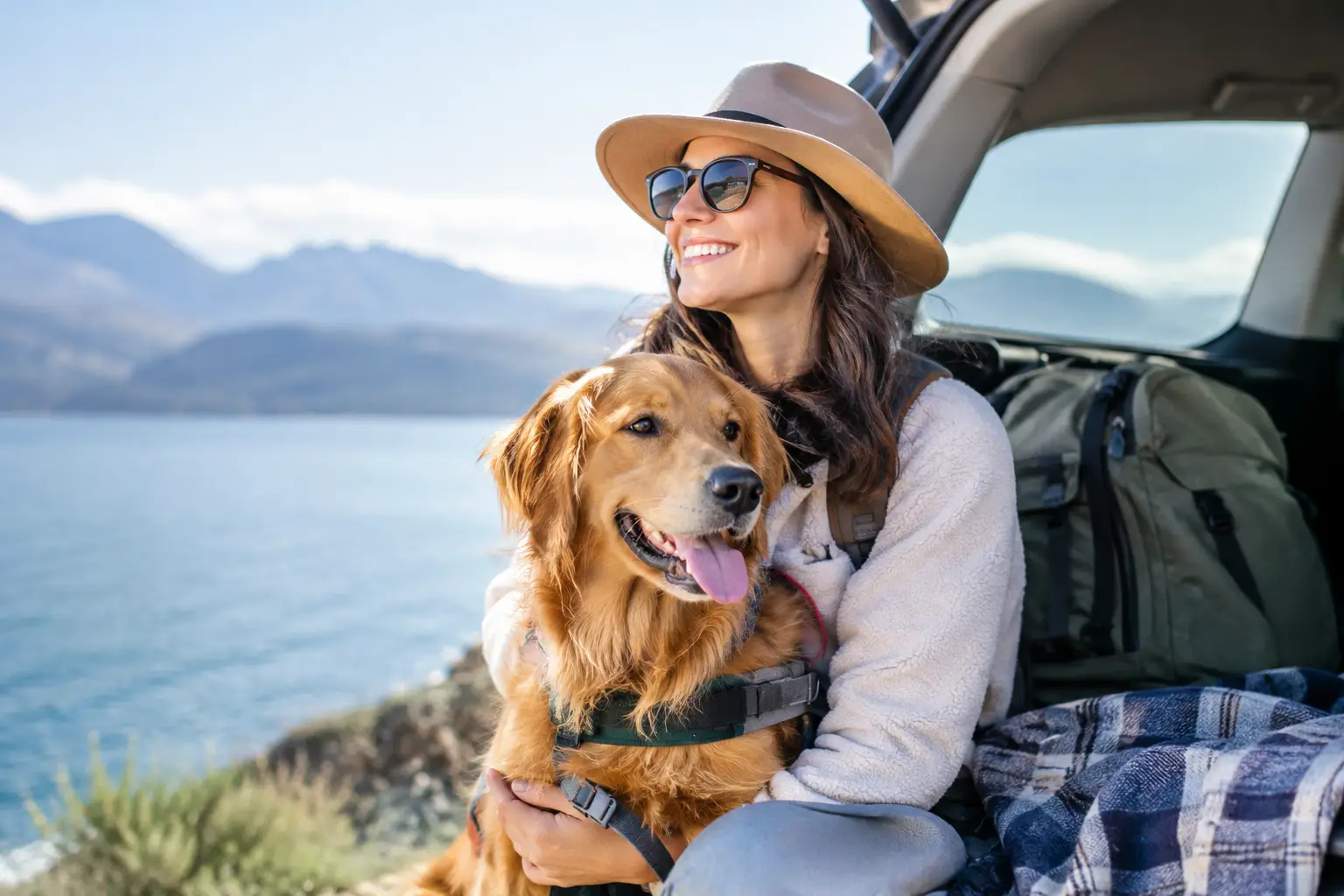
A first trip does not begin at the airport, the hotel, or even the highway. It begins at home, when your pet learns that a carrier, car ride, or new routine can still feel safe with you nearby. Introducing pets to travel is less about covering miles and more about building trust, one calm experience at a time.
For many pet owners, the goal is simple: bring a beloved companion along without turning the journey into a source of stress. That is possible, but it takes an honest look at your pet’s temperament, thoughtful preparation, and permission to go at their pace. A weekend getaway may be exciting for one dog and overwhelming for another. A cat may settle beautifully in a familiar carrier while finding a busy hotel too disruptive.
The right first step is not booking a bigger trip. It is helping your pet feel secure in the smaller moments that lead there.
Start with your pet, not the itinerary
Travel is not automatically a good fit for every animal or every occasion. Age, health, temperament, past experiences, and the type of trip all matter. A social, adaptable dog may enjoy a road trip with plenty of outdoor stops. A shy cat, a pet recovering from illness, or an animal that becomes highly distressed outside the home may be happier with trusted care at home.
That choice is not leaving your pet out. It is putting their well-being first.
Talk with your veterinarian before planning a longer journey, especially if your pet has a medical condition, takes medication, is very young or senior, or has shown signs of motion sickness or anxiety. Your veterinarian can help you understand what is realistic and whether travel accommodations or a different plan would be kinder.
Watch your pet’s body language during new experiences. Relaxed posture, normal breathing, curiosity, and the ability to take treats can be signs they are coping well. Repeated panting when it is not warm, trembling, drooling, hiding, vocalizing, refusing food, or trying to escape can signal distress. One difficult moment does not mean travel will never work, but it does mean it is time to slow down.
Introducing pets to travel in small stages
Confidence grows through repetition. Instead of asking your pet to handle a full day of driving or a crowded terminal immediately, practice the pieces of travel separately. Keep each session brief, calm, and easy to end on a good note.
Make the carrier or restraint feel familiar
For cats and small animals, leave the carrier open in a favorite room with soft bedding and a familiar scent inside. Place treats, toys, or occasional meals near it, then inside it. The carrier should become part of normal life, not an object that only appears before a stressful event.
Dogs should also be comfortable with their travel setup before departure. Whether you use a secured crate, car harness, or travel carrier, introduce it at home first. Reward calm behavior and avoid forcing your pet into a space before they are ready. Safe restraint protects everyone in the vehicle, but comfort is what makes it sustainable.
Practice the vehicle without going anywhere
Start by sitting with your pet in a parked car for a few minutes. Keep the experience quiet and positive. You might offer a treat, speak gently, then return inside before your pet becomes restless.
Next, try a very short drive around the block. Build up gradually to 10 minutes, then 20, then a quick errand or a visit to a calm park. This approach lets you spot motion sickness, fear, or excitement before a major trip puts more pressure on both of you.
Do not assume a pet who loves walking will love riding. The movement, sounds, and confinement of a car can feel very different. Patience at this stage can prevent a difficult first vacation.
Add new places one at a time
Once short rides feel manageable, introduce low-pressure destinations. Visit a quiet friend’s home, sit outside at a pet-friendly location, or take a short walk in an unfamiliar neighborhood. Let your pet observe, sniff, and decompress.
Choose settings that match their current confidence level. A crowded event, loud restaurant patio, or busy tourist area is not the best place to test a nervous pet’s readiness. The goal is not to prove they can tolerate everything. It is to help them learn that new places can be predictable, supported, and safe.
Prepare for comfort, safety, and the unexpected
A pet travel plan works best when the essentials are easy to reach. Keep food, water, medications, waste bags, cleaning supplies, a leash or harness, and a familiar blanket together in a dedicated travel bag. Bring more than you expect to need for delays, detours, or an unplanned overnight stay.
Identification deserves extra attention. Your pet should wear a secure collar with current contact details, and their microchip information should be up to date. Carry recent vaccination records and any documents required by your destination, airline, lodging, or state. Requirements can vary widely, so confirm them before you leave rather than trying to solve them at check-in.
For road trips, plan breaks around your pet’s needs, not only fuel stops. Dogs may need regular chances to stretch, drink, and relieve themselves in a secure area. Cats typically feel safer remaining in their carrier during stops, and opening a car door with an unsecured cat nearby creates an avoidable risk.
Never leave a pet alone in a parked car. Temperatures can become dangerous quickly, even when the weather feels mild outside. If a stop is not pet-friendly, one person should stay with the pet or the group should choose another option.
Air travel requires a higher level of planning. Airline rules, carrier dimensions, health documentation, breed considerations, and weather restrictions may apply. Direct flights are often easier on pets than connections, but the best option depends on your pet, destination, and ability to meet each requirement. If flying seems likely to cause serious distress or create health concerns, a road trip or pet care at home may be the better choice.
Keep routines recognizable away from home
A different place can feel less strange when the daily rhythm remains familiar. Feed meals at usual times when possible, use the same commands, bring a preferred bed or blanket, and make time for normal walks and quiet rest. These details communicate something powerful to your pet: we are somewhere new, but you are still safe with me.
At a hotel, vacation rental, or relative’s home, inspect the space before letting your pet explore. Look for open doors, unsafe balconies, loose food, cleaning products, gaps in fencing, and places where a frightened animal could hide or escape. Set up a calm corner with water, bedding, and a familiar item before unpacking the rest of your things.
It also helps to manage expectations. Your pet may need more sleep than usual after a stimulating day. They may not eat normally on the first evening, or they may need a little extra reassurance. Build room into the itinerary for slow mornings, quiet breaks, and a change of plans. The most memorable trips are rarely the ones packed with the most activities. They are the ones where everyone can breathe.
Give yourself a planning partner
Pet travel can involve many moving parts: destination rules, transportation choices, places to stay, packing, health considerations, and the question that matters most - is this right for my pet? Keeping that information organized reduces last-minute decisions and makes it easier to travel responsibly.
360Pet is built around that pet-first approach, helping owners make informed choices and prepare for the journey ahead. The purpose is not to make every trip look the same. It is to make each shared trip feel more manageable for the animal you know best.
Your pet does not need a perfect first adventure. They need a patient person, a safe plan, and the freedom to take the next small step when they are ready.