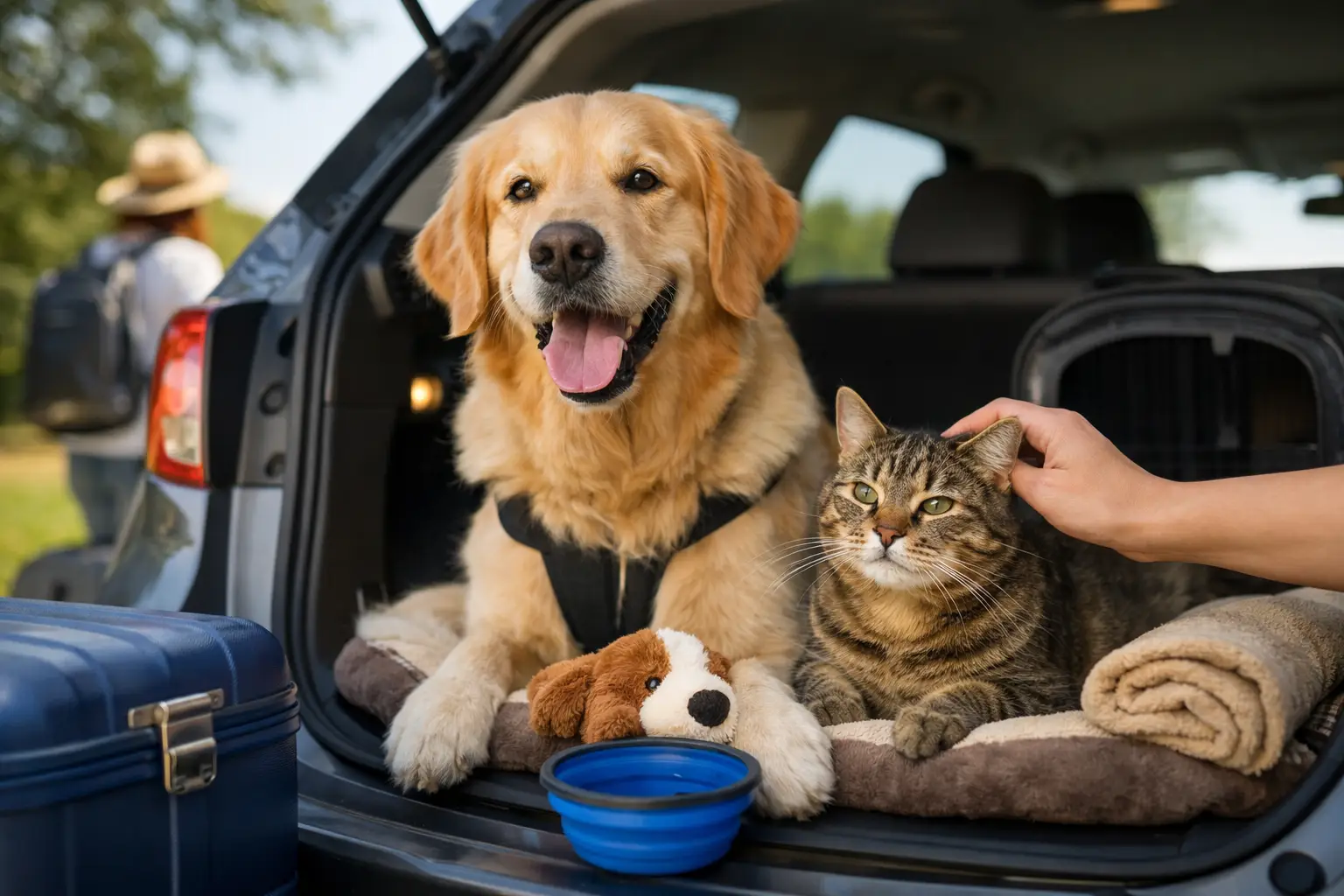
The first restless pant in the back seat, the carrier door that suddenly feels impossible to close, the pet who will not touch dinner after arriving - these moments can make even a short trip feel heavy. The most helpful pet travel anxiety tips do not ask your pet to simply “get over it.” They help you notice what feels hard, prepare with care, and make choices that protect your pet’s comfort along the way.
Travel can be exciting for people and still feel unfamiliar, noisy, or unpredictable for animals. A calmer trip starts with accepting that your pet’s experience may look different from yours. Your job is not to create a perfect journey. It is to give your companion enough safety, familiarity, and support to cope well.
Pet travel anxiety tips start before departure
Anxiety is easier to prevent than to manage from the driver’s seat or at an airport gate. Begin preparing days or weeks before the trip, especially if your pet has not traveled often. Bring out the carrier, crate, travel harness, or car seat at home and let it become part of ordinary life. Leave the door open, add a familiar blanket, and reward your pet for choosing to rest near or inside it.
For dogs, practice can mean short, low-pressure car sessions. Sit in the parked car together, then take a five-minute drive that ends somewhere pleasant, such as a quiet park or a favorite walking route. Build gradually. A dog who only rides to the veterinarian may understandably think a car ride signals something stressful.
Cats often benefit from a slower carrier routine. Offer treats or meals near the carrier, then inside it, without closing the door at first. Once your cat is relaxed, practice lifting the carrier and taking brief drives. The goal is familiarity, not speed.
Keep your own energy steady, too. Pets notice rushed movements, tense voices, and last-minute searching. Organizing documents, reservations, food, and supplies ahead of time gives you more room to reassure your pet when it matters.
Learn your pet’s early stress signals
Anxiety does not always look dramatic. Some pets become unusually quiet or clingy. Others pace, whine, tremble, drool, yawn repeatedly, lick their lips, shed more than usual, or refuse treats. In cats, hiding, vocalizing, or trying to escape the carrier can signal distress. In dogs, excessive panting when they are not hot can be a clue.
Watch for patterns. Does your pet become unsettled during the engine noise, at highway speed, when strangers approach, or after checking into a new place? The trigger shapes the solution. Motion sickness, for example, can look like anxiety but may require a different plan. A veterinarian can help you sort out what you are seeing and rule out health concerns before travel.
Do not punish vocalizing, accidents, or resistance. These are not signs that your pet is being difficult. They are information. Responding calmly can prevent a small worry from becoming a stronger association with travel.
Make the travel space feel safe, not restrictive
A secure carrier, crate, or travel restraint is essential, but safety equipment should also feel as comfortable as possible. Choose the right size for your pet to stand, turn around, and lie down when appropriate for the type of travel. Introduce it well before departure rather than making it a surprise on travel day.
Add familiar scents with a clean blanket, bed cover, or soft item from home. Avoid overpacking the space or placing loose objects where they could shift during a drive. For many pets, a partially covered carrier reduces visual overload, though some become more nervous when they cannot see out. Try this at home first so you know what your pet prefers.
In the car, keep the temperature comfortable and limit loud music. Secure the carrier or restraint so it will not slide. Never let a pet roam freely in a moving vehicle, even if they seem calmer at first. A sudden stop can turn a stressful moment into an injury.
For flights, follow the airline’s current carrier, health, and check-in requirements closely. Direct flights are often easier on pets because they reduce transitions and waiting. Flying is not the right choice for every animal, particularly pets with medical concerns or severe fear. Your veterinarian can offer guidance based on your pet’s health, temperament, and travel plan.
Build in pauses that serve your pet
A road trip gives you the advantage of flexibility. Plan breaks before your pet reaches their limit, rather than waiting for visible distress. Dogs may need a quiet, secure place to stretch, drink water, and relieve themselves. Use a leash before opening any vehicle door, even with a dog who is usually dependable at home. New surroundings can trigger a sudden urge to run.
Cats may be safer remaining in their secured carrier during most stops. Opening a carrier outdoors or in an unfamiliar parking area carries a real escape risk. Offer water and a chance to use a portable litter setup only in a fully enclosed, calm space if your cat is comfortable doing so.
At your destination, resist the urge to jump straight into activities. Give your pet time to inspect one small area, locate water and food, and settle into a designated resting spot. A familiar feeding schedule and a normal walk or play routine can make an unfamiliar room feel more manageable.
Pack for comfort as well as compliance
Travel documents and safety supplies matter, but the small comforts often make the biggest emotional difference. Prepare a dedicated pet travel bag so essentials are not scattered across your luggage. Include these items when they fit your trip:
- Enough familiar food for the journey, plus extra in case plans change
- Water, a portable bowl, waste bags, litter supplies, and cleaning materials
- Current identification, a recent photo, vaccination records, and any required health paperwork
- Medications, a first-aid kit, and your veterinarian’s contact information
- A leash, harness, carrier, bedding, and one or two familiar comfort items
Keep meals light if your pet tends to get carsick, but do not make major feeding changes right before travel. Ask your veterinarian for specific advice if nausea, digestive trouble, or medication timing is a concern.
Use calming tools thoughtfully
Calming aids can help some pets, but they work best as part of preparation rather than as a last-minute fix. Familiar bedding, gentle music, a pheromone product, a compression garment, or a favorite chew may reduce stress for certain animals. Every pet responds differently, so test any new tool at home first.
If your pet has significant travel anxiety, speak with your veterinarian well ahead of the trip. They can discuss behavior strategies and, when appropriate, medication options based on your pet’s age, health, and needs. Never give human medications or try a new sedative for the first time on departure day. Some medications can have unexpected effects, and certain forms of travel may have specific restrictions.
Know when changing the plan is the caring choice
Traveling together is a meaningful goal, but it should not come at the cost of your pet’s well-being. If practice trips consistently cause panic, if your pet has a health condition that makes travel risky, or if the itinerary requires long stretches without safe breaks, reconsider the plan. A trusted in-home caregiver, a pet-friendly change in destination, or a shorter trip may be kinder.
That is not failure. It is responsible pet-first travel. Confidence comes from knowing you have considered your pet’s needs, not from forcing every trip to work the same way.
With thoughtful preparation, many pets become more comfortable travelers over time. Start small, stay observant, and let your pet set the pace. Tools like 360Pet can help bring the details into one place, so you can spend less time second-guessing and more time sharing the journey with the companion who makes it feel like home.