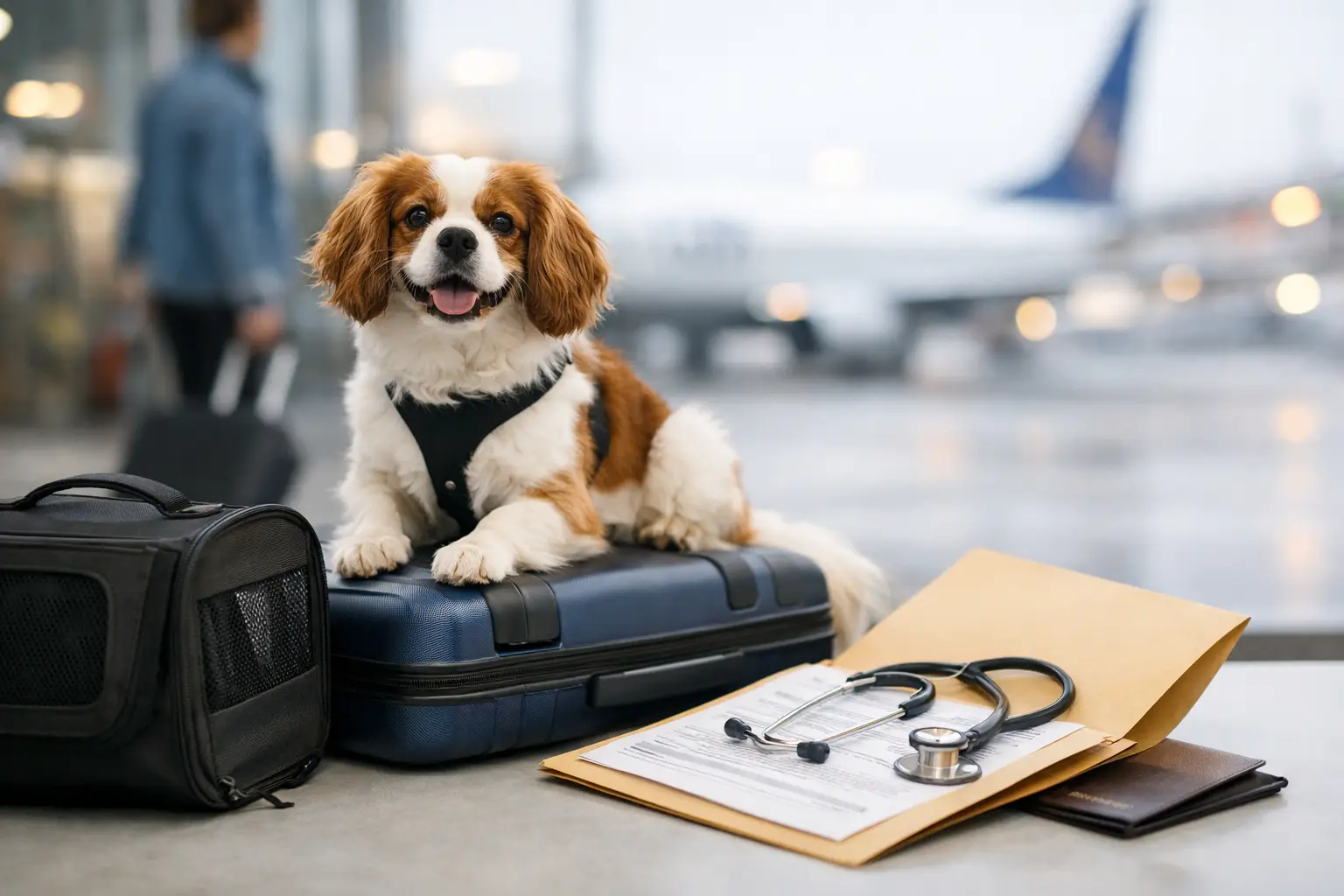
A health certificate can be the one document that determines whether your pet boards the plane, crosses a state line, or is cleared to enter a new country. Pet travel health certificate requirements are not one-size-fits-all, though. They depend on where you are going, how you are traveling, your pet’s species, and sometimes even the airline or lodging you choose.
The good news is that this is a planning issue, not a reason to leave your pet behind. When you know what to check and when to schedule the veterinary visit, you can make room for the part that matters most: traveling together with confidence.
What a Pet Travel Health Certificate Actually Does
A pet travel health certificate, often called a Certificate of Veterinary Inspection or CVI, is a document completed by a veterinarian after examining your pet. It generally confirms that your pet appears healthy enough to travel and records identifying details, vaccinations, and the destination information required for the trip.
Think of it as a current health snapshot, not a lifetime pet passport. The certificate reflects your pet’s condition on the date of the exam, which is why most certificates have a limited travel window. That window may be set by a state, an airline, or a destination country, and those rules do not always match.
For many domestic trips, a standard certificate from your veterinarian may be enough. International travel can require additional records, official government endorsement, specific parasite treatments, laboratory tests, or a microchip that meets destination rules. The farther and more regulated the journey, the earlier you should begin.
When Do You Need a Health Certificate?
A road trip within your home state may not require one at all. But travel across state lines can trigger animal import rules, especially for dogs, cats, horses, birds, and other companion animals. Some states ask for proof of rabies vaccination, while others require a CVI, an entry permit, or both. Hawaii and U.S. territories often have more detailed rules because of their efforts to prevent rabies and other animal diseases.
Flying adds another layer. Your airline may require a health certificate for pets traveling in cargo or as checked pets, even if your destination state does not. Rules for in-cabin pets can be different, but you should never assume an in-cabin reservation means paperwork is unnecessary. Airline policies can also change based on weather, route, breed considerations, and the pet’s age.
International trips require the most preparation. A destination country may require a health certificate issued within a very specific number of days before arrival, and it may need to be completed by a USDA-accredited veterinarian and endorsed by the appropriate government office. Some countries have waiting periods after a rabies vaccine or blood test. If that timeline is missed, a pet may face denied entry, quarantine, or a return flight.
Your pet’s species matters, too. Dogs and cats have the most established pathways, but birds, rabbits, reptiles, ferrets, and other companion animals can be governed by separate state, federal, airline, or wildlife rules. Never use a dog or cat checklist as a substitute for species-specific guidance.
Pet Travel Health Certificate Requirements to Check First
Before you book nonrefundable travel, confirm the requirements from every authority involved. Start with your destination’s animal-entry rules, then check your airline or other carrier. If you are flying internationally, you may also need to meet U.S. return-entry requirements, which can differ from the rules for leaving.
Your veterinarian is an essential partner, but they may not automatically know the latest requirements for every route or country. Bring clear destination details to the appointment: where you are going, when you will arrive, how your pet will travel, and whether you have connecting flights. That helps your veterinary team prepare the right certificate rather than a document that is valid for a different purpose.
For most trips, you will need to verify these distinct details:
- The destination’s required certificate type, vaccination records, identification rules, and any entry permit.
- The allowed timing between the veterinary exam, certificate issuance, departure, and arrival.
- Whether your airline requires its own form, has age limits, or applies restrictions to certain breeds or weather conditions.
- Whether the certificate needs an official endorsement after your veterinarian signs it.
- The requirements for your return journey, including reentry into the United States.
This may sound like a lot, but it prevents the most stressful kind of travel surprise: discovering at check-in that a certificate is expired, incomplete, or missing an endorsement.
The timing issue that catches travelers off guard
A certificate can be perfectly accurate and still be unusable if it is issued too early. Many travelers schedule the vet appointment as soon as their plans are set, only to learn that the document must be dated closer to departure. Others wait too long and leave no room to correct a typo, obtain an endorsement, or respond to a changed flight.
Work backward from your arrival date, not just your departure date. If a country requires a document within a certain number of days of arrival, a long itinerary or overnight connection can matter. Then build in extra time for weekends, holidays, veterinary availability, document processing, and flight changes.
Vaccines have their own timing. A rabies vaccination may need to be current, administered a certain number of days before entry, or connected to a properly recorded microchip number. If your pet is a puppy, recently adopted, or overdue for vaccines, your travel timeline may need to change. That is not a failure of planning. It is responsible travel that puts your pet’s safety first.
How to Prepare for the Veterinary Appointment
A calm, organized visit makes it easier for your veterinarian to help. Bring your pet’s vaccination history, microchip information if applicable, prior travel documents, and any forms provided by the airline or destination. Confirm that your pet’s name, your name, and your contact information are spelled exactly as they appear on bookings and identification.
Ask your veterinarian whether your pet is physically suited to the trip, not just whether they can complete the certificate. A pet with respiratory issues, severe travel anxiety, mobility challenges, or a recent illness may need a different travel plan. For some pets, a direct flight, a cooler travel date, more frequent road-trip breaks, or care at home may be the kinder choice.
Avoid treating a health certificate as approval to sedate your pet for travel. Sedation can create health and safety concerns, particularly during air travel, and airline guidance may restrict it. Your veterinarian can discuss safer ways to support a nervous pet, such as carrier training, familiar bedding, a gradual acclimation plan, or options tailored to your pet’s health.
Keep your documents accessible, not packed away
Print the required originals and keep them in a protected travel folder that stays with you. It is also wise to store clear digital copies on your phone. Digital copies are useful if paperwork is lost, but they may not replace an original certificate or endorsed document at an airport or border.
Include your pet’s rabies certificate, health certificate, microchip details, prescriptions if relevant, and contact information for your regular veterinarian. If you are traveling with more than one pet, organize each pet’s documents separately. A quick check at home is much easier than sorting through papers at a busy counter.
Common Mistakes That Can Delay a Trip
The most common mistake is relying on an old rule, a friend’s experience, or a general online checklist. Travel rules change, and a route that was simple last year may now require a different form or timeline. Verify your specific itinerary close to travel, especially if you have a connection or are returning from another country.
Another is overlooking the distinction between a vaccination record and a health certificate. A rabies certificate proves vaccination. It does not automatically meet a destination’s requirement for a recent veterinary exam or an official travel form.
Finally, do not assume the paperwork alone solves every travel detail. Your pet still needs an airline-approved carrier if flying, comfortable identification, water and rest plans, medications, and a destination that genuinely welcomes them. Documents clear one part of the path. A thoughtful plan supports the whole experience.
Give Your Pet’s Paperwork a Place in the Plan
Health certificates are easiest to manage when they are part of your trip plan from the beginning, alongside pet-friendly stays, carrier arrangements, and route choices. Keep a simple record of deadlines, required forms, appointments, and confirmation numbers so the details do not live in scattered emails and notes.
360Pet is built around that kind of preparation: helping you organize the moving parts so you can spend less energy second-guessing and more energy looking forward to the journey. Start early, verify every requirement for your exact route, and give your pet the same care in planning that you give them at home. The destination is better when they get to share it with you.