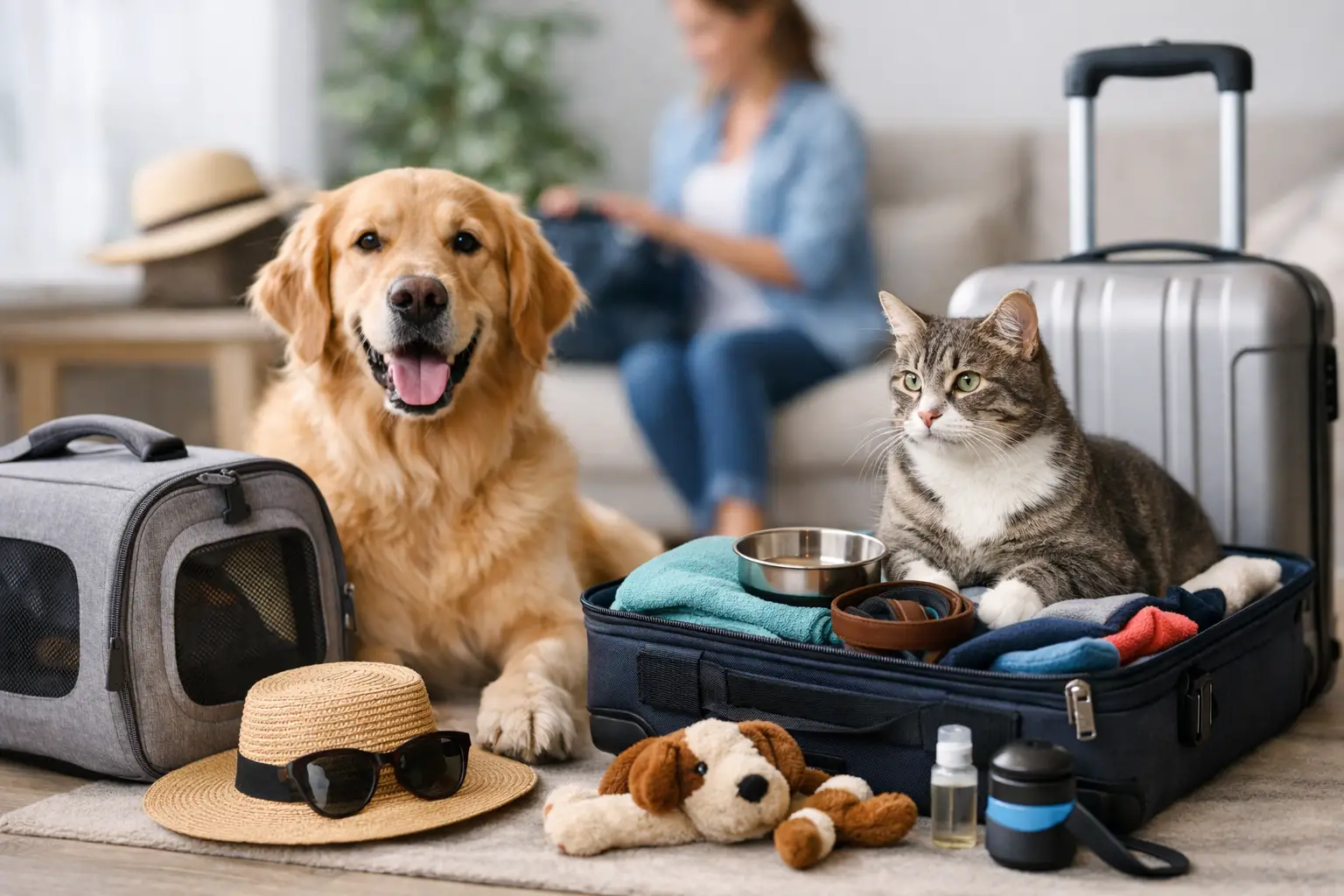
A great trip does not begin when you load the car or arrive at the airport. It begins with an honest look at what your pet needs to feel safe, comfortable, and settled away from home. Pet travel preparation is not about packing more things. It is about making thoughtful choices that let you share the journey with less uncertainty.
For some pets, a weekend road trip is exciting. For others, a crowded terminal, long drive, unfamiliar hotel, or change in routine can be overwhelming. The goal is not to force every pet into every plan. It is to prepare well enough to recognize what will help your companion travel comfortably and when a different arrangement may be kinder.
Start Pet Travel Preparation With Suitability
Before choosing routes, reservations, or carriers, consider the trip through your pet’s eyes. Their age, health, temperament, and past experiences all matter. A social dog who settles easily in new places may adapt well to a pet-friendly hotel. A cat who becomes distressed during short car rides may need a slower approach or may be better cared for at home for a brief vacation.
Ask yourself whether your pet can rest in a crate or carrier, tolerate handling by unfamiliar people, and take breaks in unfamiliar environments. Consider the climate and activity level, too. A summer hike can be risky for a flat-faced dog, a senior pet, or any animal sensitive to heat. A long international flight carries different demands than a two-hour drive to see family.
A veterinarian can help you assess health concerns, medication needs, motion sickness, anxiety, and whether travel is appropriate at all. Schedule that conversation early, especially if your destination or transportation provider requires health documentation. Requirements can change based on your destination, airline, pet type, and length of stay, so do not rely on a previous trip as your only reference.
Build the Plan Around Your Travel Method
The details of preparation shift depending on how you travel, but your pet still needs the same essentials: secure transportation, access to water, predictable routines, and a calm person beside them.
For road trips, plan the stops
A car gives you more flexibility, but it also makes it easy to drive too long without a break. Dogs generally need regular opportunities to stretch, drink, and relieve themselves. Cats and smaller companion animals may be safer remaining in a secured carrier during stops, with a quiet, controlled setup available when needed.
Never let a pet ride loose in the vehicle. A crash-tested harness, secured crate, or travel carrier protects everyone in the car and prevents a frightened pet from slipping out when a door opens. Keep their travel space comfortable but uncluttered. A familiar blanket can be reassuring, while too many loose items can become hazards.
Avoid leaving your pet alone in a parked vehicle, even for a quick errand. Temperatures can rise or fall fast, and a pet’s distress may not be visible from outside. Choose stops where they can stay with you, or arrange food pickup and errands around their needs.
For flights, confirm every detail early
Air travel often has strict limits on carrier size, pet age, breed, documentation, check-in timing, and the number of animals accepted on a flight. Some airlines allow small pets in the cabin, while others have limited options or seasonal restrictions. Your destination may also have separate entry rules.
Book your pet’s space as soon as your own travel is confirmed. Then measure the carrier according to the airline’s stated dimensions, not just the label on the product. Your pet should be able to stand, turn around, and lie down comfortably, but the carrier must still fit the airline’s rules.
Practice matters here. Introduce the carrier at home with treats, familiar bedding, and short periods of quiet rest. A carrier should feel like a known safe place, not something that appears only before a stressful event. Do not sedate your pet unless your veterinarian specifically recommends it. Sedation can create added risks during travel, particularly in the air.
Prepare Documents Before You Need Them
Travel paperwork is easier to manage when it is organized in one place before departure. Keep digital copies accessible and bring printed backups when appropriate. This is particularly helpful if your phone battery dies, service is limited, or a front desk or airline agent needs to review a document.
Your travel file may include:
- Vaccination records and a current health certificate, when required
- Your veterinarian’s contact information and medication details
- A recent photo of your pet, plus microchip and identification information
- Transportation confirmations and destination-specific entry paperwork
- Contact information for an emergency veterinary clinic near your destination
Requirements depend on where and how you travel. A domestic road trip may call for little more than current identification and medical records, while air travel, relocation, or crossing borders can require more time-sensitive documentation. Check deadlines carefully. A document that was valid when you booked may be outside the accepted time window on departure day.
Pack for Familiarity, Not Just Convenience
Pets do not need a separate suitcase full of novelty items. They need the things that make an unfamiliar place feel more predictable. Bring enough of their usual food for the entire trip, plus a small buffer in case travel is delayed or their preferred food is hard to find. Sudden diet changes can cause stomach upset at exactly the wrong time.
Pack water, a portable bowl, leash or harness, waste bags, litter supplies for cats, cleaning materials, medications, and a small first-aid kit. Include a familiar toy or blanket if it helps your pet settle. Make sure ID tags are readable and current, with a phone number you will answer while traveling.
If your pet wears a collar, consider keeping it on during transitions such as hotel check-in, rest stops, and loading or unloading. These are moments when doors open, people move around, and a startled pet can disappear quickly. A microchip adds another layer of protection, but it only works when the registration details are up to date.
Choose Accommodations With Your Pet in Mind
“Pet-friendly” can mean very different things. One property may welcome pets with no meaningful limitations. Another may allow them only in certain rooms, restrict size or breed, charge fees, or prohibit leaving pets unattended. Read the policies before booking, then call if anything is unclear.
Think beyond the room itself. Is there a safe place to walk your dog? Are busy roads, elevators, or loud common areas likely to be stressful? Does the property have a nearby green space, or will you need to drive for every break? For cats, look for a room layout that allows a secure, quiet settling area away from exterior doors.
Once you arrive, do a quick pet-level safety check. Look for open windows, accessible cleaning products, loose cords, gaps behind furniture, and anything small enough to chew or swallow. Keep the first hour calm. Set up food, water, bedding, and the carrier or crate before you begin exploring.
Practice the Parts That Feel New
The most useful preparation happens before travel day. Take short drives. Spend time in the carrier with the door closed. Practice getting in and out of the car calmly. Visit a pet-friendly patio or store if your pet is ready for that level of stimulation. These small experiences reveal what needs work while you still have time to adjust.
Watch your pet’s signals rather than pushing through them. Panting, trembling, drooling, hiding, repeated vocalizing, refusing food, or trying to escape can point to stress or discomfort. One difficult practice session does not mean travel is impossible, but it does mean the plan may need more training, shorter trips, professional support, or a different travel choice.
Tools that keep plans, requirements, and reminders organized can make this process feel far less scattered. 360Pet is built around that simple need: helping you make pet-first travel decisions with the information close at hand.
On departure day, protect extra time. Rushing is hard on people and harder on pets who notice every change in your energy. Feed, exercise, and medicate your pet according to the plan you discussed with your veterinarian, then keep your own expectations flexible. A slower pace, an extra stop, or a quiet evening at the hotel may be exactly what makes the trip a good one.
The best travel memory may not be the destination photo. It may be the moment your pet relaxes beside you in a new place, knowing that wherever you go next, they are still part of home.