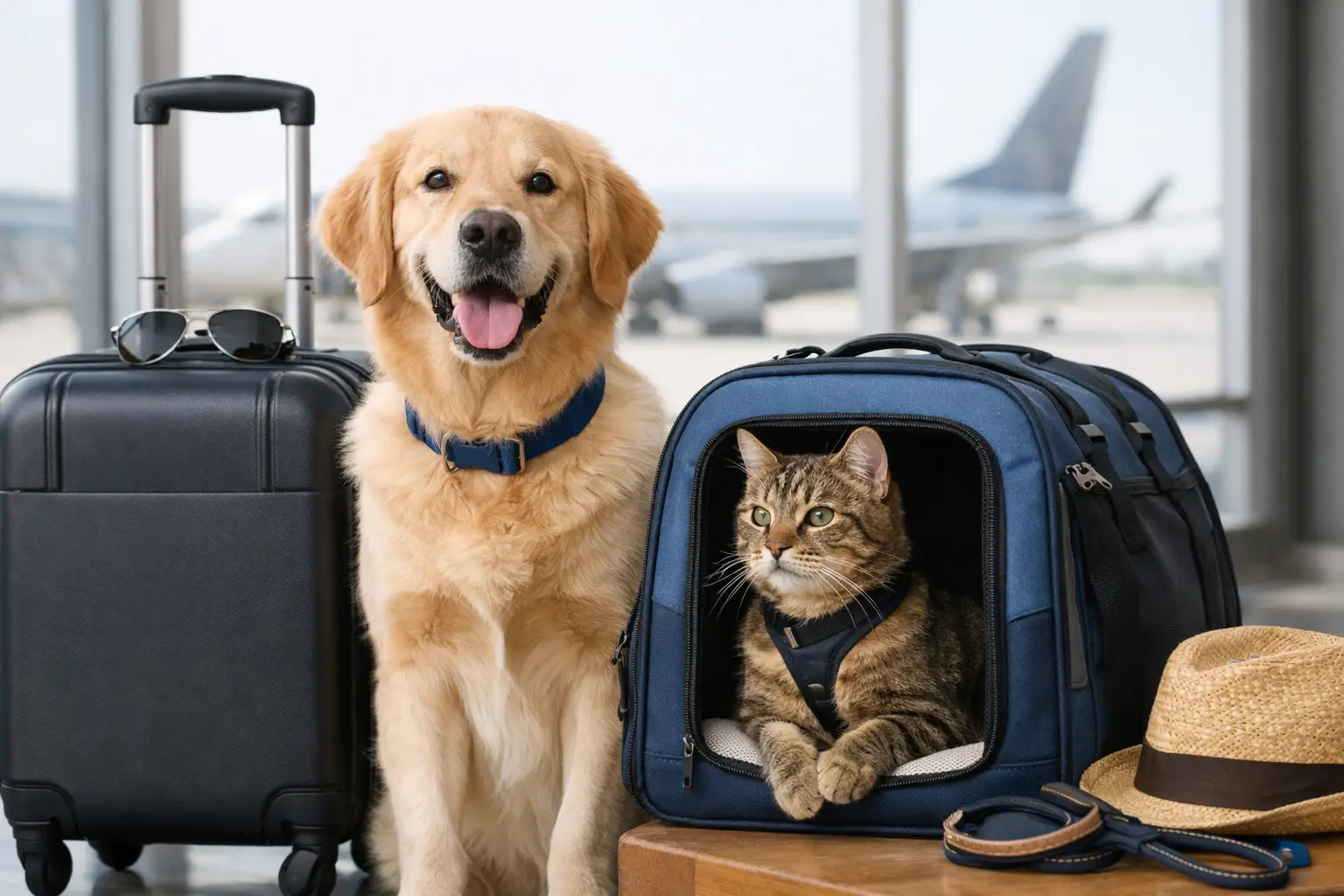
The reservation is booked, the route is mapped, and then you remember the part that can change the entire trip: your pet. Pet travel rules are not one universal set of instructions. They can shift based on how you travel, where you are going, your pet’s species and size, and even the specific airline, hotel, or campground you choose.
That does not mean bringing your pet has to feel complicated. It means planning around them from the start. A little preparation protects your pet’s comfort, prevents last-minute surprises, and makes more room for the moments you wanted this trip for in the first place.
Pet travel rules start with the trip type
A weekend road trip, a cross-country flight, and an international move have very different requirements. Before buying a carrier or booking a stay, define the journey in practical terms: where you are going, how long you will be away, how you will get there, and where your pet will sleep along the way.
For a road trip within the United States, the rules are often less formal, but your responsibilities are still real. Your pet should be safely secured, able to take regular breaks, and never left alone in a parked vehicle. Some states have restrictions related to animals riding in open truck beds or loose in vehicles. Local destinations can also set their own rules for leashes, beaches, trails, and public spaces.
Air travel usually involves more detailed policies. Airlines may limit the number of pets allowed in the cabin, set carrier dimensions, restrict certain breeds, and require advance reservations for animals. A pet that fits comfortably under one airline’s seat may not meet another airline’s carrier rules. Direct flights are often easier on pets because they reduce transfers, noise, waiting, and the chance of a disrupted connection.
International travel takes more lead time. Depending on the destination, your pet may need an ISO-compatible microchip, specific vaccinations, parasite treatments, laboratory testing, an official health certificate, or an import permit. Some destinations also have strict deadlines between treatments, documents, and arrival. In these cases, the order of each step matters as much as completing it.
Documents to confirm before you leave
Health paperwork is one of the most common reasons pet travel plans get delayed. Even when a hotel or road-trip stop does not ask for documentation, carrying current records gives you a clearer path if your pet needs care away from home.
For domestic travel, a current rabies vaccination record and a copy of your pet’s medical history are sensible basics. Airlines may require a health certificate issued by a veterinarian within a specific window before departure. That window can be short, so do not schedule the appointment based on guesswork. Confirm the carrier’s policy first, then book your veterinary visit accordingly.
For international trips, rely on the official requirements for your destination and return route, not on an old social post or a friend’s past experience. Requirements can change, and rules for entering the United States again may differ from the rules for departing. Your veterinarian can help with your pet’s health needs, but government-issued paperwork, endorsements, and import conditions may require additional coordination.
Keep physical copies in a waterproof folder and save clear digital copies where you can access them without searching through email. Include your pet’s vaccination records, health certificate if required, microchip number, prescription details, and contact information for your regular veterinarian. If your pet takes medication, bring enough for the full trip plus a small buffer in its original labeled container.
Airline and carrier rules deserve extra attention
Flying with a pet is not simply about whether an airline says it is pet-friendly. The better question is whether the flight setup is a safe, comfortable fit for your individual animal.
Cabin travel is generally the preferred option for small pets who can travel calmly in an approved carrier beneath the seat. Your pet needs enough space to stand, turn around, and lie down comfortably. A carrier that technically meets the maximum dimensions but leaves your pet cramped is not a good solution.
Cargo travel may be the only option for larger animals, but it comes with additional considerations. Temperature restrictions, weather conditions, aircraft type, layovers, and the pet’s age and health can all affect whether travel is appropriate. Brachycephalic, or short-nosed, breeds may face extra restrictions because they can have greater difficulty breathing under stress or in heat.
Avoid sedating your pet for travel unless your veterinarian specifically recommends it. Sedation can affect balance, breathing, and temperature regulation, especially during air travel. For many pets, gradual carrier training, familiar bedding, and a calmer departure routine are safer ways to reduce stress.
Reserve your pet early
Airlines often cap the number of pets permitted in the cabin on each flight. Add your pet to the reservation as soon as you book, then reconfirm before departure. Ask about check-in timing, required documents, carrier measurements, fees, and any restrictions at your connecting airport.
Arrive with extra time, but keep your pet’s routine as normal as possible. Offer a bathroom break before security, and know that you may need to remove your pet from the carrier while the carrier goes through screening. A secure harness and leash are essential in that moment.
Lodging rules are about more than a pet fee
A property can welcome pets while still having rules that do not work for your trip. One hotel may accept dogs of any size but prohibit pets from being left unattended. Another may allow only one pet per room, limit access to certain areas, or charge a nonrefundable cleaning fee. Vacation rentals and campgrounds can have equally varied policies.
Read the property’s pet policy before booking and call if anything is unclear. Confirm the pet count, weight or breed limits, fees, designated relief areas, and unattended-pet policy. Ask whether the property has ground-floor rooms or easy outdoor access if that would make nighttime breaks easier for your pet.
Then consider your pet’s actual needs. A lively dog may struggle in a busy downtown hotel with thin walls and long elevator rides. A senior pet may need a quieter room near an exit. A cat may be safer in a familiar, enclosed room than in a lodging setup with frequent housekeeping or a door that opens directly outside.
Pet travel rules include your pet’s readiness
The best travel plan is not always the one that gets your pet to the destination. It is the one that supports their well-being throughout the journey.
A pet who becomes panicked in a moving car, reacts strongly to unfamiliar people, or has a health condition that is not well managed may need a different approach. That could mean shorter practice trips, a quieter destination, an alternative travel method, or deciding that this particular trip is not the right one to share. Leaving a pet with a trusted caregiver can sometimes be the most loving choice, not a failure to include them.
Build confidence before a major trip. Let your pet explore their carrier at home with treats and familiar bedding. Take brief drives before a long road trip. Practice wearing the travel harness. If your pet has motion sickness, anxiety, mobility concerns, or chronic medical needs, talk with your veterinarian early enough to test a plan before travel day.
A practical pre-departure check
Before you pull out of the driveway or head to the airport, make sure you have these essentials organized:
- Current identification tags, a secure collar or harness, leash, and microchip information
- Food, water, bowls, medication, waste bags, and enough supplies for delays
- A properly sized carrier or vehicle restraint your pet already recognizes
- Health records, destination requirements, and contact details for veterinary care near your stay
- Familiar comfort items, such as a blanket or toy, that help your pet settle
For car travel, plan rest stops around your pet rather than trying to make up time. Many dogs benefit from breaks every two to four hours, though puppies, seniors, and pets with health needs may need more frequent stops. Offer water regularly, use a leash at every stop, and check pavement temperature before letting paws touch the ground.
Make room for the unexpected
Even well-planned trips can change. Flights are delayed, weather shifts, hotel rooms are not ready, and a pet may have an off day in a new place. A flexible plan reduces the pressure on both of you.
Save the address and phone number of an emergency veterinary clinic near your destination before you need it. Keep a recent photo of your pet on your phone. Make sure their microchip registration and ID tag information are current. These small steps are easy to overlook at home and invaluable if your pet gets separated from you in an unfamiliar place.
360Pet is built around this kind of preparation: helping pet parents organize the details so travel feels more possible, not more stressful. The goal is never to force your pet into your itinerary. It is to create a trip where they are considered, protected, and genuinely included.
The right pet travel plan leaves space for slower mornings, extra water breaks, and a change of course when your companion needs one. When you prepare with your pet at the center, you can travel together with greater confidence.