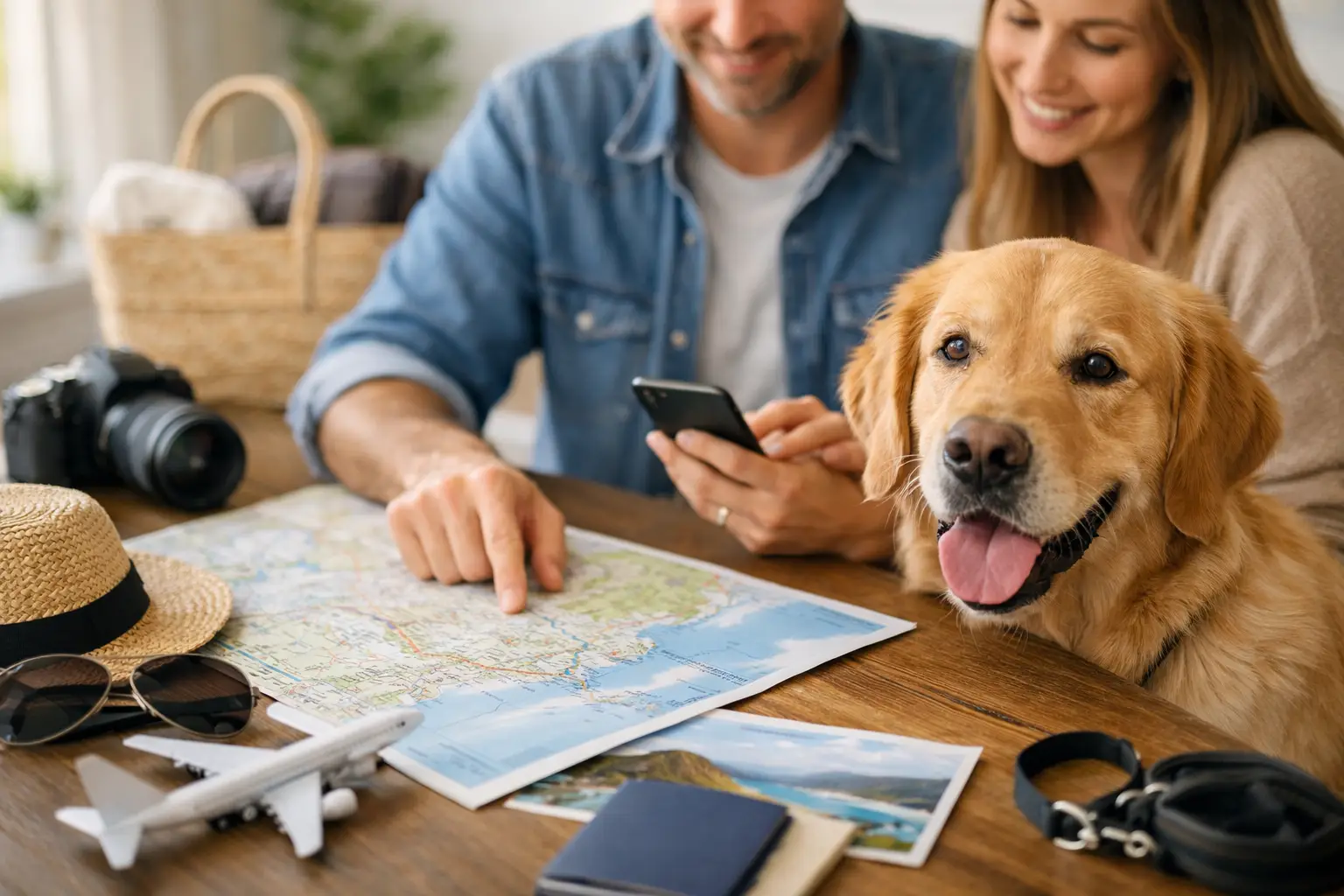
Your dog recognizes the suitcase before you have packed a single shirt. Your cat notices a changed routine long before departure day. When you plan a pet friendly vacation, those small signals matter. A great trip is not simply one where a pet is allowed - it is one where they can rest, move, eat, and feel secure alongside the people they trust.
Traveling together can create meaningful memories, but it asks for more preparation than clicking a “pets welcome” filter. Property rules vary, airline policies have limits, and a destination that looks perfect online may not suit your pet’s temperament. A little thoughtful planning turns those unknowns into a trip that feels more manageable from the first mile.
Start With Your Pet, Not the Destination
Before comparing hotels or mapping attractions, consider what kind of travel your pet can genuinely enjoy. A social, adaptable dog may be happy with a busy beach town and patio dinners. A noise-sensitive dog may do better in a quiet cabin with nearby walking trails. Many cats are happiest staying home with a trusted sitter, while others travel well when their carrier, litter routine, and calm space remain consistent.
Age, health, energy level, and past travel experience all shape the right choice. A long road trip can be enjoyable for a healthy adult dog who settles easily in the car. It may be tiring for a senior pet with mobility concerns or stressful for a puppy still learning to regulate excitement. There is no prize for choosing the farthest destination. The best vacation is the one that meets your pet where they are.
If this is your first trip together, a one- or two-night getaway close to home is a smart test. You will learn how your pet handles the car, a new sleeping space, unfamiliar sounds, and changes to their schedule. That experience makes a bigger trip feel far less uncertain.
How to Plan a Pet Friendly Vacation That Actually Fits
The phrase “pet friendly” can mean very different things. One hotel may welcome pets with a grassy relief area, no weight restrictions, and a simple nightly fee. Another may allow only one small dog, prohibit pets from being left alone in the room, and offer no practical place for walks. Read the full policy before you reserve, not just the label beside the listing.
Ask about the details that affect your day: breed or weight limits, number of pets allowed, fees and deposits, required vaccination records, and whether pets can be unattended. Also confirm the room location. A ground-floor room near an exterior exit can make early-morning and late-night potty breaks much easier than an upper-floor room at the end of a long hallway.
Look beyond the lodging, too. Check whether the destination has accessible veterinary care, pet supply stores, shaded walking routes, and outdoor spaces where pets are permitted. In hot climates, pavement can become dangerous quickly. In cold or rainy places, you may need a realistic indoor plan for exercise and bathroom breaks. A pet-friendly vacation works best when the surrounding area supports your pet’s everyday needs, not only your reservation.
Build Your Itinerary Around Breaks
It is tempting to fill every day with activities, especially on a short trip. Pets benefit from a slower rhythm. Plan regular opportunities for water, bathroom breaks, meals, movement, and quiet downtime. For dogs, that may mean starting sightseeing early, returning to the room during the hottest or busiest part of the day, then heading out again in the evening.
Avoid assuming your pet can join every activity. Many museums, beaches, parks, tours, and restaurants have rules that change by season or location. Confirm access in advance, and make a backup plan if an activity is not a good fit. It is better to skip one stop than to leave your pet alone in an unfamiliar room when the property does not allow it or your pet is likely to become distressed.
For families, decide before departure who is responsible for the next walk, meal, medication, or rest break. Shared responsibility is helpful, but only when everyone knows the plan. A quick daily check-in can prevent missed routines when travel days get busy.
Choose the Safest Way to Get There
For many pets, driving offers the most control. You can stop when needed, keep familiar belongings nearby, and adjust the pace if your pet is unsettled. Secure your pet with a crash-tested harness, travel crate, or carrier appropriate for their size. Loose pets can distract the driver and are at greater risk of injury during sudden stops.
Never leave a pet unattended in a parked car, even for a brief errand. Temperatures can rise or fall rapidly, and a cracked window is not enough protection. Plan fuel, food, and restroom stops around your pet so they can stay with you whenever possible.
Flying may make sense for a relocation, a long-distance family visit, or a destination that cannot be reached easily by road. It also comes with stricter rules and less flexibility. Airlines may have carrier requirements, seasonal restrictions, health documentation rules, and limits on the number or type of pets accepted. A pet that is small enough to travel in the cabin may have a very different experience from one traveling in cargo. Discuss travel readiness with your veterinarian well before booking, particularly if your pet has breathing, heart, anxiety, or mobility concerns.
No matter how you travel, keep current identification on your pet. A collar tag should include your phone number, and a microchip should be registered with your current contact information. Bring a recent photo of your pet, too. It takes little effort and can be invaluable if you become separated in an unfamiliar place.
Pack for Familiarity, Not Just Convenience
A pet travel bag should do more than cover the basics. Familiar items help a new environment feel safer. Pack enough of your pet’s usual food for the full trip, plus extra in case of delays. Switching foods while traveling can lead to stomach upset at exactly the wrong time.
Bring their regular medications, a copy of relevant veterinary records, food and water bowls, waste bags or litter supplies, a leash and backup leash, grooming essentials, and any required muzzle or restraint. Add a favorite blanket, bed, or toy that smells like home. For cats, a secure carrier and a compact setup for litter are essential. For dogs, consider weather needs such as a cooling vest, rain layer, or paw protection.
Keep a small travel-day kit within easy reach rather than buried in luggage. Include water, a collapsible bowl, treats, cleaning wipes, paper towels, a towel, and any calming item your pet already knows. This is not the moment to introduce a new supplement or unfamiliar gear. Test travel equipment at home first, where your pet can build positive associations without the pressure of a departure day.
Protect Routines While Making Room for Adventure
A vacation does not need to follow your home schedule perfectly, but consistency helps pets settle. Feed meals at roughly familiar times, maintain medication schedules, and give your pet a calm place to sleep. When you arrive, let them explore the room or rental gradually. Check for open doors, gaps in fencing, accessible trash, cleaning products, or anything they could chew or ingest.
Be considerate of other travelers, too. Keep dogs leashed where required, clean up promptly, and manage barking before it becomes a problem. If your pet is uncomfortable around strangers or other animals, create distance rather than hoping they will adjust in a crowded setting. Responsible travel protects your pet and helps keep more doors open for pet-owning families.
A digital planning tool such as 360Pet can help keep travel details, pet requirements, and preparation tasks in one place. The goal is not to over-plan every minute. It is to give yourself enough clarity that you can stay present with your pet when the trip begins.
Leave Space for Your Pet’s Point of View
Some of the best moments on a pet-inclusive trip are not the big attractions. They are the quiet morning walk in a new neighborhood, the nap after a long drive, or the tail wag that says your dog has found the best patch of grass in town. Your pet does not need a packed itinerary to be part of the adventure.
Plan carefully, stay flexible, and let comfort guide the day. When your pet feels safe, travel becomes what it should be: time together, with more room to explore and less reason to worry.