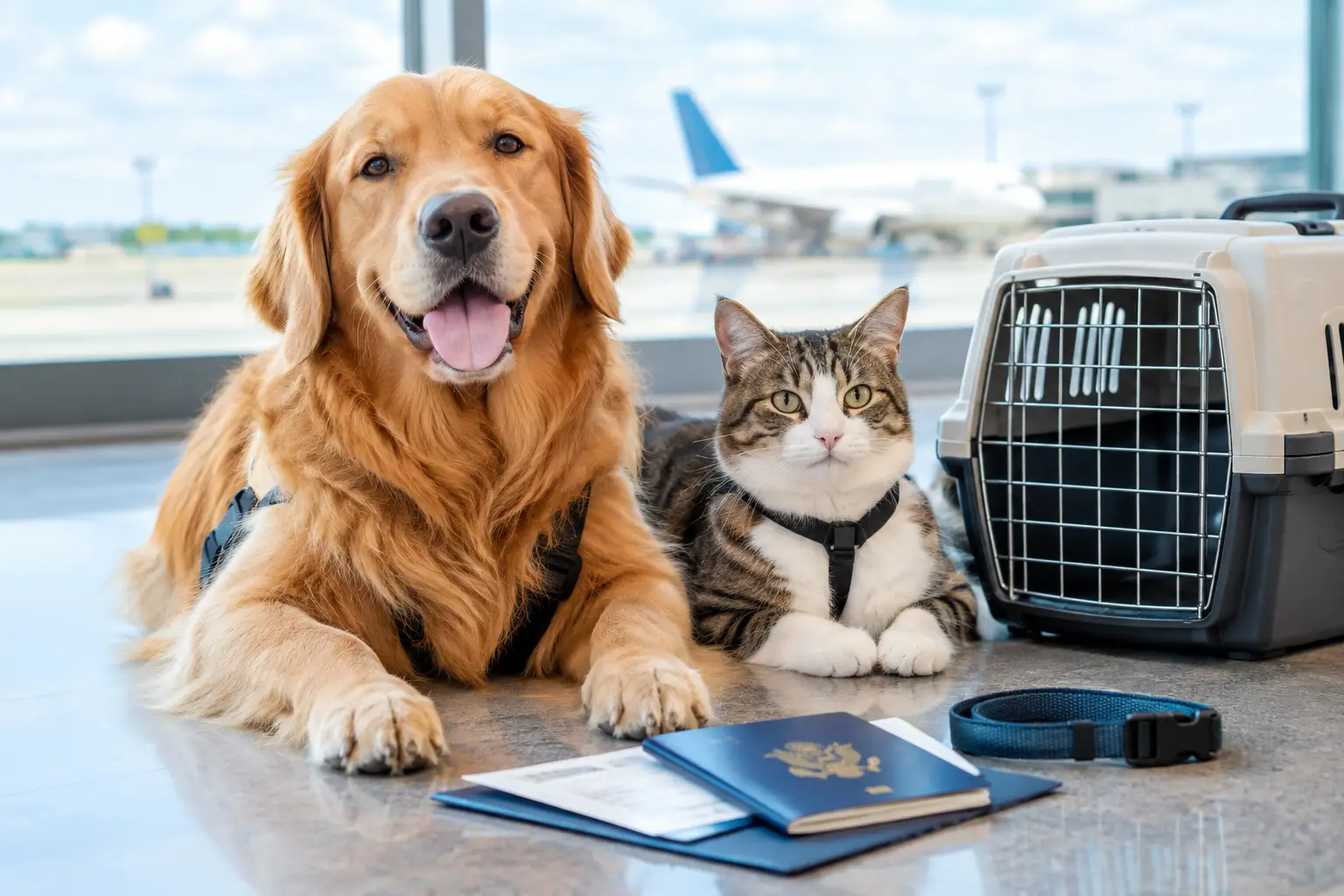
A packed carrier, a favorite toy, and a full water bowl can make you feel ready to go. Then the airline agent or border official asks for paperwork. The question, “what documents do pets need,” has no single answer because requirements change with your destination, transportation, species, and even the airline you choose.
The good news is that most pet travel paperwork comes down to a few core records. Preparing them early gives you room to focus on the part that matters most: sharing the journey with your pet safely and comfortably.
What documents do pets need for domestic travel?
For travel within the United States, many dogs and cats will need proof of a current rabies vaccination. A rabies certificate is often requested by airlines, campgrounds, boarding facilities, and certain states or local jurisdictions. It should show your pet’s description, vaccine date, expiration date, vaccine product, and the veterinarian’s information.
A certificate of veterinary inspection, often called a health certificate, may also be required. This form is completed by an accredited veterinarian after an exam and states that your pet appears healthy enough to travel. Rules vary by state. Some states require a health certificate for incoming pets, while others do not require one for a privately owned dog or cat. Airlines may still have their own rules, even when the destination state does not.
That is why a road trip and a flight can have different paperwork needs, even if they end in the same place. Before you book, check the requirements for each stop on your route, not just your final destination. A cross-country drive can cross several state lines, and a trip with an overnight stay may involve a hotel or pet care provider that asks for vaccination records.
For most domestic trips, keep these records organized and easy to access:
- A current rabies vaccination certificate
- A recent certificate of veterinary inspection, if your airline or destination requires one
- Records for other vaccinations or parasite prevention requested by a lodging provider, daycare, or boarding facility
- Your pet’s prescription details and medical history, especially if they take regular medication or have an ongoing condition
Digital copies are helpful, but bring paper copies too. Phone batteries die, signal disappears, and some officials or airline staff may need a physical document. Keep originals protected in a travel folder and store clear digital backups separately.
Airline paperwork can be more specific
Airlines set their own policies for pets traveling in the cabin or cargo hold. They may require a health certificate issued within a particular time frame, a signed acknowledgment form, or confirmation that your carrier meets size and ventilation rules. Some have seasonal restrictions based on temperature, breed restrictions, or limits on the number of pets permitted on a flight.
Do not assume that a document accepted by one airline will satisfy another. Call or review the carrier’s current pet policy before purchasing a ticket, then confirm the details again shortly before departure. Policies can change, and pet reservations are often limited.
If your pet is traveling as a service animal, different federal rules may apply. Airlines can require specific Department of Transportation service animal forms, but emotional support animals are generally treated as pets for air travel. Be accurate about your pet’s status. The right paperwork protects everyone involved, including your animal.
International pet travel needs more lead time
International travel is where preparation becomes especially time-sensitive. Countries may require an official health certificate, proof of rabies vaccination, a microchip, blood testing, parasite treatments, import permits, or all of the above. Some destinations also have waiting periods after vaccination or testing. Missing one deadline can mean a delayed trip, refused entry, or quarantine for your pet.
For many countries, a standard veterinary exam is not enough. The health certificate may need endorsement by a government authority after your veterinarian completes it. That process can take time, and certificates are often valid for only a short window before entry.
Microchip rules deserve close attention. Your pet may need an ISO-compatible microchip implanted before their rabies vaccination is administered for the vaccination to count toward entry requirements. A microchip is not just identification. For international travel, it can connect your pet to every required health record.
Start planning international travel months ahead whenever possible. A pet moving with a family during a relocation may need far more preparation than a pet joining a short domestic vacation. The same is true for travel to U.S. territories and destinations with their own animal-entry rules, including Hawaii and Puerto Rico. Treat every border crossing as its own set of requirements.
Returning to the United States
Your return trip needs planning too. Dogs entering the United States may be subject to federal entry requirements that depend on where they have been during the previous months, as well as their age, microchip status, and rabies history. Cats are not subject to the same federal rabies-entry rules, but state or local requirements can still apply.
If your pet leaves the country, save every document used for outbound travel and confirm what is needed to return before you go. It is much easier to arrange a required exam or endorsement at home than to search for an approved veterinarian abroad under a departure deadline.
Your veterinarian is central to the process
A trusted veterinarian helps turn a stack of rules into a plan that fits your pet. Schedule a travel consultation early, particularly for international trips or pets with health concerns. Bring your destination, travel dates, planned route, airline details, and any forms you have already received.
The goal is not simply to get a signature. Your veterinarian can assess whether travel is appropriate for your pet, discuss stress management, refill medications, and identify concerns that could make a journey uncomfortable or unsafe. Short-nosed breeds, senior pets, very young animals, and pets with heart or respiratory conditions may need additional consideration.
A health certificate also has a clock. If it is issued too early, it may expire before departure or arrival. If it is issued too late, you may not have time for government endorsement. Map the timing backward from your travel date before making the appointment.
Documents are only one part of a confident trip
Paperwork proves that key requirements have been met, but it does not replace thoughtful preparation. Your pet still needs a secure carrier or restraint, familiar supplies, planned rest stops, safe lodging, and an identification tag with current contact details. A microchip registration should also be updated before you leave.
Keep your pet’s documents together with your own travel essentials, not buried in checked luggage. At minimum, have the rabies certificate, health certificate if required, medication information, and a photo of your pet available during the trip. If your pet becomes separated from you or needs care away from home, those details can make a stressful moment easier to manage.
Requirements can change, so the most dependable approach is to verify them directly with your airline, destination authorities, and veterinarian for your specific itinerary. Tools like 360Pet can also help keep trip details and pet needs organized in one place, so preparation feels less like a maze and more like a clear next step.
Your pet does not need perfect travel paperwork for every possible situation. They need the right documents for the journey ahead, prepared with enough time for both of you to leave home feeling ready.